
Signs It’s Time to Seal Your Asphalt Surface
Noticing cracks, fading color, or water pooling are signs it’s time to seal your asphalt surface, and local contractors can provide expert sealing services to protect and extend its lifespan.
If you own a property with an asphalt surface, recognizing the signs it’s time to seal your asphalt surface can help protect your investment and maintain a safe, attractive appearance. Over time, exposure to weather, traffic, and everyday wear can lead to cracks, fading, and surface deterioration. Property owners in the area often explore sealing as a practical step to extend the lifespan of their asphalt and prevent more costly repairs down the line. Keep reading to learn how to identify these signs and discover how local contractors specializing in asphalt sealing can assist in keeping your surface in top condition.
Understanding the telltale signs that sealing is needed can make a significant difference in maintaining a durable and smooth asphalt surface. Common indicators include the appearance of small cracks, a loss of surface sheen, or the presence of standing water after rain. Addressing these issues early with professional sealing services can help protect against further damage, such as potholes or extensive cracking. Local service providers experienced in asphalt sealing are equipped to evaluate your surface’s condition and recommend the right solutions to preserve its integrity and appearance.
- Asphalt driveway sealing services are often needed when surface cracks or fading become noticeable, and local contractors can assess the condition to recommend sealing. Parking lot owners may seek sealing when surface deterioration or oil stains appear, with local service providers applying protective coatings to extend lifespan. Residential asphalt surfaces showing signs of oxidation or loss of color are typical cases where local pros can restore and seal the surface effectively. When water begins to pool or seep through the asphalt, sealing services help prevent further damage, and local contractors can evaluate and address these issues. Driveway or lot surfaces with minor surface wear can benefit from sealing to improve appearance and durability, with local experts providing tailored solutions.
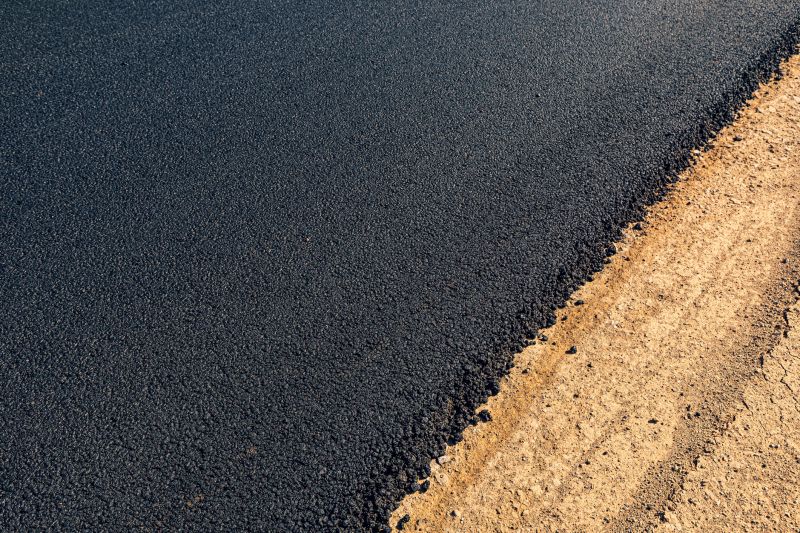
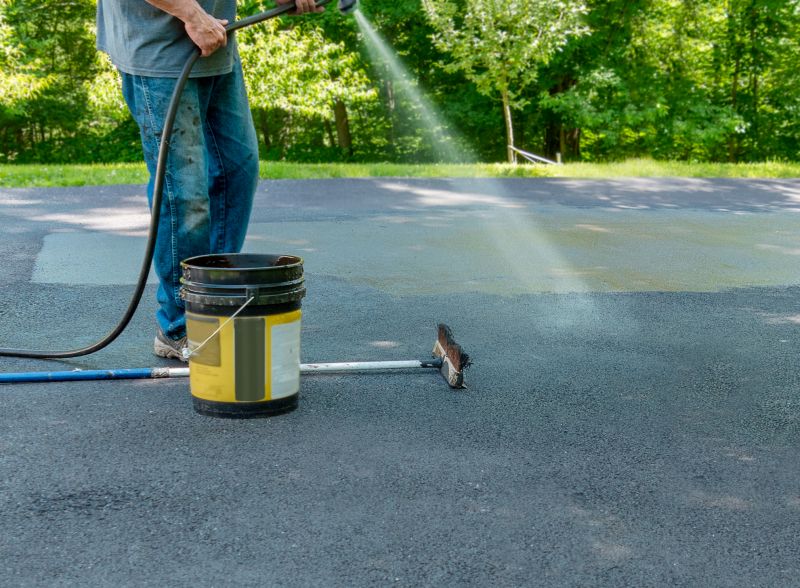
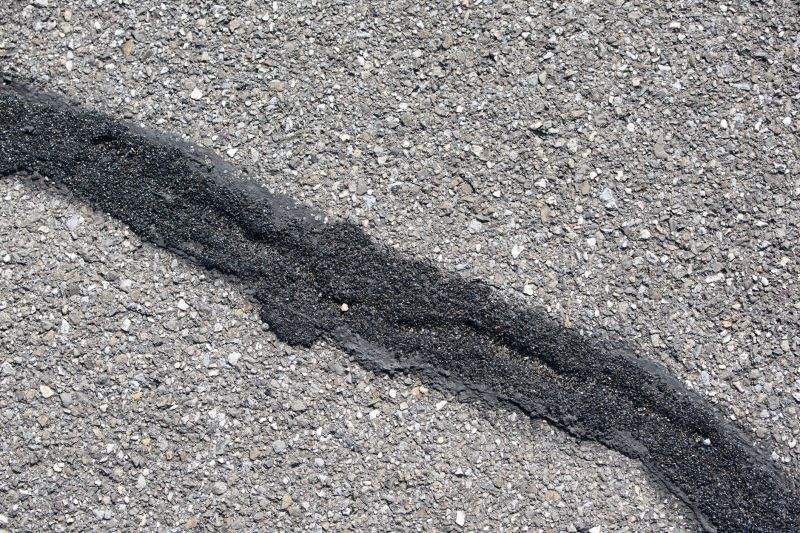
Understanding when to seal an asphalt surface is a common concern for property owners looking to maintain or improve their driveways, parking lots, or other paved areas. When people search for signs it’s time to seal their asphalt surface, they are typically seeking guidance on identifying visible indicators that the pavement is in need of protective treatment. This may include noticing surface deterioration, such as cracks, fading color, or the presence of surface oxidation. Recognizing these signs early can help prevent more extensive damage, which could lead to costly repairs or replacements. Local contractors who specialize in asphalt sealing are equipped to assess these conditions and recommend appropriate timing for sealing to preserve the surface’s integrity and appearance.
The need to seal an asphalt surface often relates to specific problems that develop over time. For example, aging asphalt can become brittle and more susceptible to cracking, especially when exposed to frequent traffic or weather fluctuations. Surface oxidation, which causes asphalt to lose its dark, rich color and appear faded or gray, is another common sign that sealing might be necessary. Additionally, small surface cracks or the beginning stages of potholes can indicate that the pavement is starting to break down. Property owners planning to extend the lifespan of their asphalt or improve its look often consider sealing as a proactive step. Local service providers are experienced in evaluating these issues and determining whether sealing can effectively address current problems and prevent future deterioration.
Sealing needs can vary depending on the type of property involved. Residential driveways are frequently among the most common surfaces requiring sealing, especially in neighborhoods where weather and traffic contribute to wear and tear. Commercial parking lots, with their higher volume of vehicles and heavier loads, also benefit from regular sealing to maintain safety and appearance. Some properties, such as community centers, schools, or retail complexes, may have extensive asphalt surfaces that need ongoing maintenance. Regardless of the property type, identifying signs it’s time to seal the surface involves looking for visual cues like surface cracks, fading, or surface erosion. Local asphalt sealing contractors can evaluate these signs and recommend the best course of action to keep the pavement in top condition for years to come.
For property owners considering asphalt sealing, understanding how these signs relate to real projects is essential. Recognizing early indicators allows for timely intervention, which can extend the lifespan of the pavement and reduce long-term costs. Local service providers are available to perform thorough assessments and provide professional sealing services tailored to each property’s specific needs. Whether it’s a residential driveway showing signs of cracking or a commercial lot with faded surface color, professional sealing can help restore and protect the asphalt. Connecting with experienced contractors ensures that the right steps are taken at the right time, helping property owners preserve the value and functionality of their paved surfaces.
Paving repair projects - these involve fixing cracks and potholes that can indicate the need for sealing to prevent further damage, requiring similar surface assessment skills.
Driveway resurfacing - resurfacing involves preparing the asphalt surface, a step closely related to sealing in maintaining the integrity and appearance of the pavement.
Asphalt crack filling - filling cracks is often a precursor to sealing, and local contractors skilled in crack repair can also handle sealing services effectively.
Parking lot maintenance - maintaining large asphalt areas includes sealing to extend lifespan, making these projects relevant for service providers experienced in asphalt care.
Surface cleaning and preparation - cleaning and preparing asphalt surfaces is essential before sealing, requiring similar tools and planning skills used in sealing projects.
Line striping and marking - applying markings on asphalt surfaces involves working on the same material and surface conditions as sealing, often handled by the same local contractors.
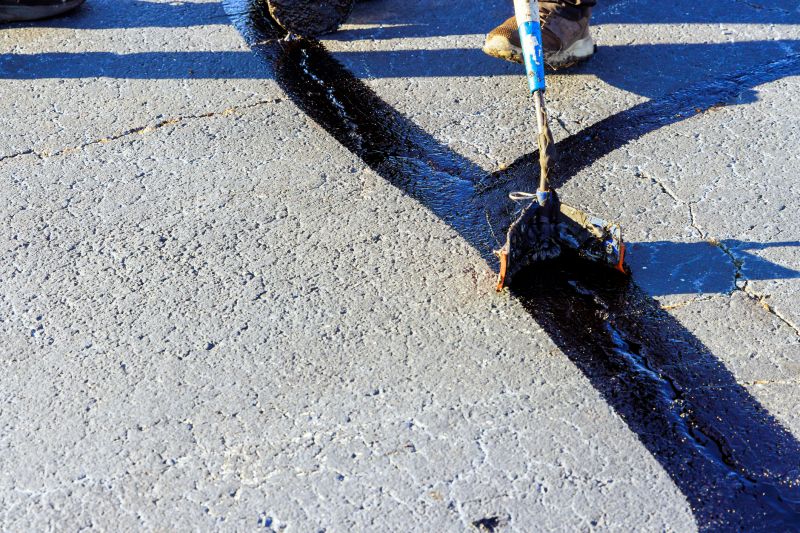
When comparing local contractors for asphalt surface sealing, it’s important to consider their experience with similar projects. Homeowners should inquire about the types of surfaces the service providers have worked on and how many sealing jobs they have completed that resemble their own driveway or parking area. An experienced contractor will have a clear understanding of the specific needs of different asphalt surfaces and be better equipped to deliver quality results. Additionally, checking for reputable references or reviews can provide insight into the contractor’s track record, helping homeowners gauge the consistency and reliability of their work.
Clear written expectations are essential when evaluating potential service providers. Homeowners should seek detailed explanations of what the sealing process involves, including preparation, application, and curing times. A reputable contractor will be transparent about what the service includes and any necessary preparations or follow-up maintenance. Having these expectations documented helps prevent misunderstandings and ensures that both parties are aligned on the scope of work. This clarity also makes it easier to compare bids and assess which contractor offers the most comprehensive and professional approach.
Effective communication is a key factor in choosing a dependable asphalt sealing contractor. Homeowners should observe how promptly and clearly the service providers respond to inquiries and whether they are willing to answer questions about their process and experience. Good communication fosters trust and makes it easier to address any concerns that may arise during the project. When speaking with potential contractors, it’s also beneficial to assess their willingness to listen and provide thorough, understandable explanations. This level of engagement indicates a professional approach and can contribute to a smoother project experience overall.
Property owners often search for signs it’s time to seal your asphalt surface when they are planning practical projects around their homes and businesses. Local pros provide Asphalt Surface Sealing services for everyday jobs and straightforward project options.
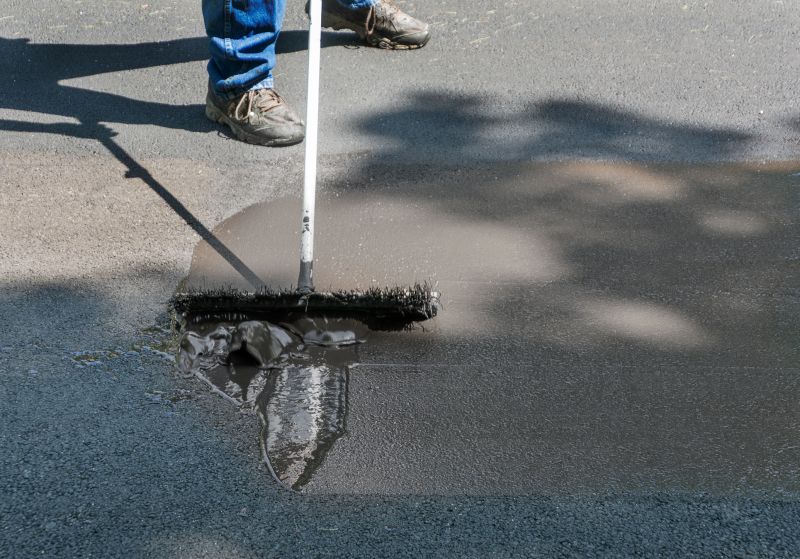
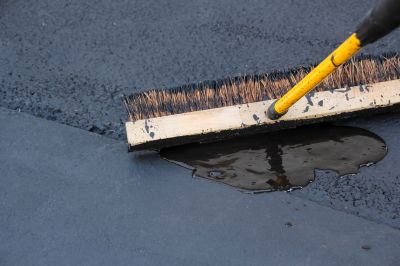
Property owners might notice cracks or small holes forming on their asphalt surfaces, which can be clear signs it’s time to consider sealing. Over time, exposure to sunlight, water, and regular use can cause the asphalt to weaken and become more vulnerable to further damage. When these surface imperfections start to appear, local contractors who specialize in asphalt sealing can help protect the pavement and extend its lifespan, preventing more costly repairs down the line.
Another common indicator that sealing might be needed is the presence of a faded or dull appearance on the asphalt, often accompanied by a rough texture. This wear can signal that the protective surface layer has worn thin, leaving the material exposed to the elements. Property owners who observe these signs may find it beneficial to consult with experienced service providers who can assess the condition of the asphalt and recommend sealing services to restore its appearance and durability.
What are common signs that indicate it’s time to seal an asphalt surface? Visible cracks, fading color, and surface deterioration are key signs that asphalt sealing may be needed to protect and preserve the surface.
How does the appearance of the asphalt surface help determine if sealing is necessary? If the asphalt looks dull, faded, or has areas of exposed aggregate, it may be time for sealing services from local contractors to restore its appearance and durability.
Are there specific conditions or damages that suggest sealing should be done soon? Presence of small cracks, surface oxidation, or water pooling can signal the need for sealing to prevent further damage and extend the lifespan of the asphalt.
Can weather or environmental factors influence when to seal an asphalt surface? Yes, if the surface has been exposed to harsh weather, such as heavy rain or extreme sunlight, signs of wear may appear sooner, indicating the need for sealing services.
Why is sealing important if signs of wear are visible on an asphalt surface? Sealing helps protect against water infiltration, UV damage, and surface cracking, which can be identified through visible signs like cracks and fading, and is best handled by local service providers.
Cracking and Potholes - When visible cracks or potholes appear on the surface, it may be time to consider sealing to prevent further damage. Local contractors can assess and address these issues as part of their sealing services.
Fading or Discoloration - A faded or discolored asphalt surface signals wear and may benefit from sealing to restore its appearance and protect it. Service providers can help rejuvenate and shield the surface effectively.
Surface Texture Changes - If the asphalt feels rough or has lost its smoothness, sealing can help fill in surface imperfections and improve durability. Local pros can evaluate and apply the appropriate sealing products.
Standing Water or Drainage Issues - Areas where water pools or drains poorly suggest the surface may need sealing to improve runoff and prevent water damage. Professional sealing can enhance surface resilience and longevity.
If you are thinking about signs it’s time to seal your asphalt surface for a property, this guide is meant to help you understand this topic, the typical project types, and how different options might fit your plans.
When you are ready, you can use the quote form on this page to share a few details about your project. From there, local pros can review the basics and follow up with options that match what you have in mind.